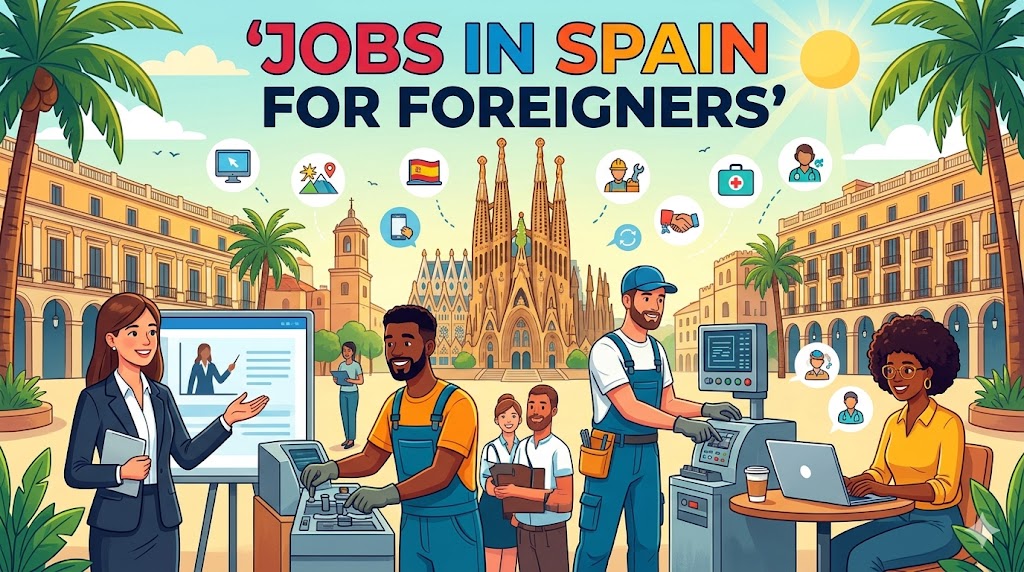
Spain has become one of Europe’s most attractive destinations for foreigners looking for better job opportunities, a vibrant lifestyle, and access to the broader European economy. From tourism and hospitality to tech, teaching, logistics, healthcare, and remote work, Spain offers multiple employment pathways—but success depends heavily on understanding how jobs in Spain for foreigners actually work.
Many people imagine moving to Spain and immediately finding work, but the reality is more strategic. Your nationality, visa status, language ability, skills, and location all influence your chances. This guide explains where foreigners can realistically find jobs in Spain, legal requirements, high-demand sectors, salaries, job boards, and practical survival tips.
Table of Contents
Can Foreigners Work in Spain?
Yes—but your legal pathway matters. Foreigners can work in Spain, but your right to work depends on your immigration category.
Common pathways:
- EU/EEA Citizens: Generally easier access to Spain’s labor market.
- Non-EU Citizens: Usually need work authorization, employer sponsorship, student-to-work pathways, or legal residence routes.
Please note: Working illegally can create major immigration risks.
Why Spain Attracts Foreign Workers
Spain is appealing for several reasons:
1. Tourism and Hospitality Economy
Spain’s tourism industry creates recurring opportunities.
2. International Business Growth
Major cities like Madrid and Barcelona host global firms.
3. Remote Work Expansion
Digital jobs are increasing.
4. Lifestyle Appeal
Climate, culture, and social life attract many foreigners.
Best Jobs in Spain for Foreigners
1. Hospitality and Tourism Jobs
This is often one of the easiest sectors for foreigners entering Spain.
Common roles:
- Hotel staff
- Waiters / servers
- Bartenders
- Kitchen assistants
- Tour guides
- Resort staff
Note: Spanish language can significantly improve options.
2. English Teaching Jobs
For native or fluent English speakers, teaching remains a strong option.
Opportunities:
- Language academies
- Private tutoring
- International schools
- Online teaching
TEFL/TESOL certification can improve competitiveness.
3. Tech and Digital Jobs
Spain’s startup and remote economy continue expanding.
Strong sectors:
- Software development
- Web design
- Cybersecurity
- Digital marketing
- Customer support
- Data analytics
4. Remote Work / Freelancing
For many foreigners, the smartest path is not local employment—but online global work while living in Spain legally.
Examples:
- Content writing
- Graphic design
- Virtual assistance
- Affiliate marketing
- Social media management
- Programming
5. Agriculture and Seasonal Work
Some foreigners also find opportunities in:
- Farming
- Fruit picking
- Seasonal labor
Conditions vary significantly, so verify legitimacy carefully.
6. Healthcare and Skilled Professions
For qualified foreigners:
- Nursing
- Elder care
- Specialized medicine
- Engineering
Credential recognition may be required.
Best Cities in Spain for Foreigners Seeking Jobs
Madrid
Best for:
Corporate, education, finance, customer service
Pros:
- More international companies
- Diverse market
Cons:
- Higher cost of living
Barcelona
Best for:
Tech, tourism, startups, creative sectors
Pros:
- International environment
Cons:
- Housing can be expensive
Valencia
Best for:
Balanced affordability + tourism + services
Malaga / Alicante
Best for:
Tourism + expat services
Do You Need Spanish to Get a Job in Spain?
Not always—but often yes.
Jobs where English may work:
- International companies
- Tech
- Tourism hotspots
- Language teaching
Jobs where Spanish is highly valuable:
- Hospitality
- Retail
- Healthcare
- Government-facing roles
Where to Find Jobs in Spain for Foreigners
Popular methods:
- Online job boards
- InfoJobs
- Indeed Spain
- Recruitment agencies
- Facebook expat groups
- Networking
- University career centers
Avoid scams requesting suspicious upfront fees.
Average Salary Expectations
This depends on:
- Industry
- City
- Visa status
- Language skills
- Experience
Madrid and Barcelona may pay more, but living costs are also higher.
Legal Documents Commonly Needed
- Passport
- Work visa / permit
- NIE (Foreigner Identity Number)
- Social security registration
- Employment contract
Common Challenges Foreigners Face
- 1. Language barriers
- 2. Visa restrictions
- 3. Credential recognition
- 4. Job competition
- 5. Housing costs
Best Strategy for Non-EU Foreigners
If you are outside the EU, your strongest options often include:
- Study in Spain first → transition to work
- Digital/remote work
- Skilled sponsorship pathways
- English teaching
Red Flags to Avoid
- Fake recruiters
- Illegal underpaid work
- Visa misinformation
- Cash-only exploitative jobs
How to Get a Job in Spain as a Foreigner
- Step 1:Understand your visa/work eligibility
- Step 2: Improve Spanish if possible
- Step 3: Target realistic sectors
- Step 4: Prepare EU-style CV
- Step 5: Apply strategically
- Step 6: Network aggressively
- Step 7: Verify legality before accepting
Final Thoughts
Finding jobs in Spain for foreigners is absolutely possible—but Spain rewards preparation more than fantasy. Your success often depends on:
- Legal status
- language
- skill set
- city choice
- persistence
For foreigners who plan wisely, Spain can become more than a destination—it can become a career-building opportunity.
Frequently Asked Questions (FAQ)
1. Can foreigners legally work in Spain?
Yes—but your legal status matters. Foreigners can work in Spain, but the process depends on whether you are from the EU/EEA or outside it.
EU/EEA Citizens: Generally have easier access to Spain’s job market.
Non-EU Citizens:
Usually need:
- Work visa
- Employer sponsorship
- Legal residence authorization
- Student-to-work pathway
Always verify your legal right to work before accepting employment.
2. Is it easy to get a job in Spain as a foreigner?
It depends on:
- Your language skills
- Your visa status
- Your qualifications
- Your industry
- Your location
Easier entry sectors:
- Hospitality
- Tourism
- English teaching
- Customer service
- Seasonal work
More competitive sectors:
- Corporate jobs
- Healthcare
- Skilled technical roles
3. Do I need to speak Spanish to work in Spain?
Not always—but Spanish can dramatically improve your chances.
Jobs that may require less Spanish:
- English teaching
- Some remote jobs
- International companies
- Tech/startups in major cities
Jobs where Spanish is often important:
- Hospitality
- Retail
- Healthcare
- Administration
Even basic Spanish can open more opportunities.
4. What are the best jobs in Spain for foreigners?
Some of the most common options include:
- Tourism and hospitality: Hotels, restaurants, travel
- English teaching: Schools, academies, tutoring
- Tech and digital jobs: Programming, marketing, support
- Freelancing / remote work: Writing, design, online business
- Seasonal work: Agriculture or tourism
5. Which cities in Spain offer the best job opportunities?
- Madrid: Best for corporate, finance, teaching, and customer service
- Barcelona: Best for tourism, tech, startups, and international business
- Valencia: Balanced affordability + growing opportunities
- Malaga / Alicante: Tourism + expat-oriented roles
6. Can I get a job in Spain without papers?
Working illegally carries serious risks.
This may include:
- Exploitation
- Underpayment
- Immigration penalties
- Limited protections
Focus on legal pathways whenever possible.
7. Are there jobs in Spain for English speakers only?
Yes, but options may be narrower.
Common examples:
- English teaching
- International sales
- Customer support
- Remote jobs
- Tourism hotspots
However:
Spanish often increases long-term opportunities.
8. What documents do foreigners usually need to work in Spain?
Common requirements may include:
- Passport
- Work visa or authorization
- NIE (Foreigner ID number)
- Social security registration
- Employment contract
Document requirements can vary depending on nationality and work type.
9. Can students work in Spain?
Yes, many international students may work under specific legal conditions.
Usually: Part-time or limited work authorization
Your studies must remain your primary reason for being in Spain.
10. What is the average salary in Spain for foreigners?
This depends heavily on:
- Industry
- Experience
- City
- Language ability
- Visa type
11. Are jobs in Spain well paid?
Spain’s salaries can vary widely.
Higher-paying sectors:
- Tech
- Engineering
- Healthcare
- International business
Lower-paying sectors:
- Hospitality
- Seasonal work
- Entry-level retail
12. Can foreigners move from student visa to work in Spain?
In some cases, yes.
Some students may transition depending on:
- Employment offers
- Immigration regulations
- Legal compliance
Always check updated policies.
13. Where can I find jobs in Spain?
- InfoJobs
- Indeed Spain
- Recruitment agencies
- Expat communities
- Networking
14. Is Spain a good country for immigrants seeking work?
Spain can be a strong option for foreigners who value:
- Lifestyle
- Culture
- Tourism opportunities
- European mobility
15. What are the biggest mistakes foreigners make when job hunting in Spain?
- Ignoring visa requirements
- Not learning Spanish
- Falling for fake recruiters
- Choosing expensive cities without planning
- Accepting illegal or exploitative work
