


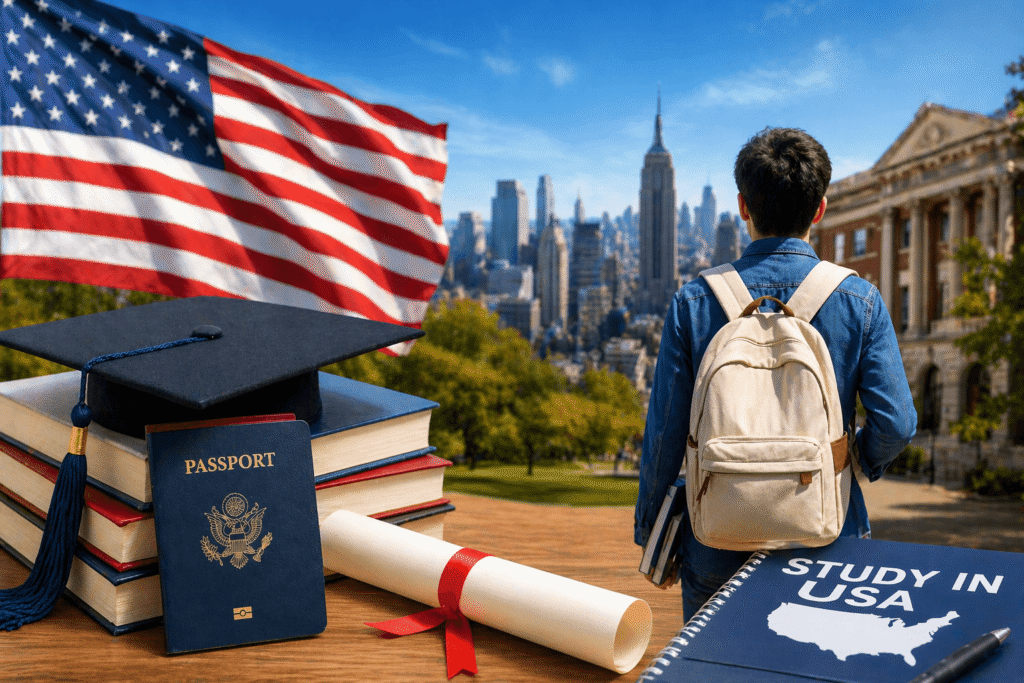
Studying in the United States remains one of the biggest dreams for students around the world. The quality of education, global recognition of degrees, and access to opportunities make the USA a top destination. However, before you begin your journey, it is important to clearly understand the study in the USA requirements and costs. Many students get discouraged because they lack accurate information or assume the process is too expensive or complicated.
Learn the Secret of Forex Trading, Click here to download a free e-book now
The truth is, with the right guidance, planning, and strategy, studying in the USA is achievable—even on a student budget.
Table of Contents
Understanding What It Takes to Study in the USA
When people talk about studying in the USA, they often focus on the opportunities but overlook the preparation required. Every university in the United States has its own admission process, but there are general requirements that apply to most students.
At the core of these requirements is your academic background. Universities want to see proof that you have completed your previous level of education and that you are capable of handling the academic demands of your chosen program.
In addition to academic records, institutions also assess your ability to communicate effectively in English. While exams like IELTS or TOEFL are commonly required, many universities now accept alternatives such as an English Proficiency Letter, especially for students who studied in English-speaking environments.
Beyond academics, your application will often include documents that reflect your personality and goals. These may include a personal statement, recommendation letters, and in some cases, a resume. Each of these documents plays a role in helping the university understand who you are beyond your grades.
The Admission and Visa Process Explained
Once you meet the academic requirements and secure admission, the next step is obtaining a student visa. This is a crucial part of the process and requires careful attention.
After receiving your admission offer, your university will issue a document known as the I-20 form. This form confirms that you have been accepted and provides details about your program and estimated costs.
You will then proceed to apply for an F-1 student visa. During this stage, you will need to demonstrate that you are a genuine student, that you intend to return to your home country after your studies, and that you have the financial capacity to support yourself while studying in the USA.
The visa interview is often the part students worry about the most, but with proper preparation and confidence, it becomes manageable.
Understanding the Cost of Studying in the USA
One of the biggest concerns students have is cost. It is important to understand that the total cost of studying in the USA depends on several factors, including the type of university, your course of study, and your lifestyle.
Tuition fees can vary widely. Public universities are generally more affordable, while private institutions tend to be more expensive. On average, tuition can range from moderate to high, depending on your program.
Beyond tuition, there are additional costs such as accommodation, food, transportation, health insurance, and study materials. These living expenses can differ depending on the city or state where your university is located.
However, what many students do not realize is that there are multiple ways to reduce these costs. Scholarships, grants, and part-time work opportunities can significantly ease the financial burden.
Making Study in the USA Affordable as a Student
Understanding the study in the USA requirements and costs is not just about knowing the numbers—it is about knowing how to manage them.
Many universities offer scholarships specifically for international students. Some are fully funded, while others cover a portion of tuition fees. Applying early and preparing strong documents increases your chances of securing financial support.
In addition, students on an F-1 visa are allowed to work part-time under certain conditions. This provides an opportunity to earn money, gain experience, and support your living expenses.
Choosing the right university and location also plays a major role. Some states are more affordable than others, and some schools offer better financial aid packages.
Start Your Study Abroad Journey the Right Way
If you are serious about studying in the USA, the most important step is getting the right information and guidance from the beginning.
Frequently Asked Questions
What are the main requirements to study in the USA?
You need academic transcripts, proof of English proficiency, a personal statement, recommendation letters, and a valid passport.
How much does it cost to study in the USA?
Costs vary depending on the university and location, but they include tuition, accommodation, and living expenses.
Can I study in the USA without IELTS?
Yes, some universities accept alternatives like an English Proficiency Letter.
Can students work while studying in the USA?
Yes, international students can work part-time under visa regulations.
Conclusion
Studying in the United States is a life-changing opportunity, but it requires preparation, planning, and the right mindset.
By understanding the study in the USA requirements and costs, you position yourself ahead of many other applicants. You become more confident, more prepared, and more likely to succeed.
Instead of being overwhelmed by the process, take it step by step and focus on what you can control.
With the right strategy, studying in the USA is not just a dream—it is a goal you can achieve.